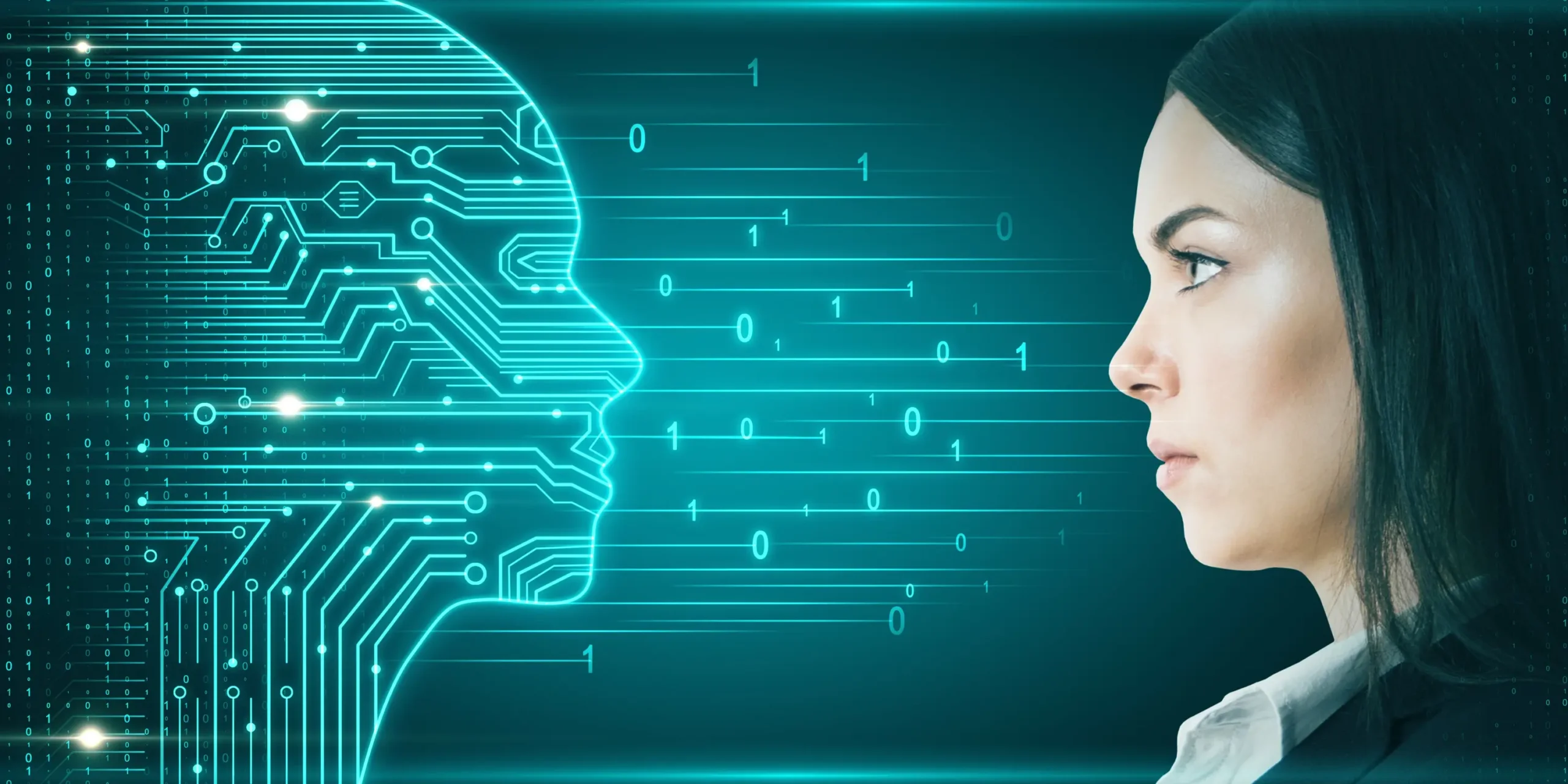
AI has shaken up the SEO world a bit. One minute, everyone was writing blog posts the slow way, and the next minute, AI tools were pumping out content faster than most people can make a cup of tea.
So the big question started floating around.
If AI can do SEO… do we still need human experts?
Short answer: yes. But maybe not for the reasons you think.
Let’s have a look at what AI can and can’t do.
AI Is Brilliant at the Heavy Lifting
AI is fast. Ridiculously fast.
Need keyword ideas? Done. Need content outlines? Done. Need help spotting patterns in data? Done.
What used to take hours now takes minutes.
For SEO agencies and business owners, that’s huge. It means less time staring at spreadsheets and more time actually doing something useful with the information.
AI can also help with:
- Finding related topics you might miss
- Structuring articles logically
- Improving readability
- Generating ideas when your brain feels empty
And honestly, any SEO professional will be using AI in some way.
But here’s where things start to wobble a little.
AI Doesn’t Actually Understand People
AI can write words.
What it can’t do is *feel* what real customers are thinking.
It doesn’t understand:
- Why someone hesitates before buying
- How tone changes trust
- What makes one brand feel warm, and another feel cold
- The subtle difference between “sounds right” and “feels right”
SEO isn’t just about ranking pages any more. It’s about connecting with real humans who are searching for answers.
A human expert reads a page and thinks:
“Would I trust this business?”
“Does this sound like a real person?”
“Is this solving the right problem?”
AI can’t truly judge that. It can only predict based on patterns.
Strategy Is Still a Human Job
Here’s something most people don’t realise.
SEO isn’t just writing content or finding keywords. The real value is strategy.
A good human SEO expert asks things like:
- What’s the business goal here?
- Which pages will actually make money?
- Where are the easy wins?
- What should we ignore?
AI doesn’t know your business priorities. It doesn’t know your market. It doesn’t know that your ideal customer behaves differently from your competitor’s.
It can suggest ideas, but it can’t decide which direction you should take.
That takes experience and human judgment.
AI Makes Good SEOs Faster — Not Obsolete
This is where things get interesting.
The best SEO experts aren’t fighting AI. They’re using it. They think of AI like a really fast assistant.
It can gather information, draft ideas, and speed up processes. But the human expert still decides:
- What matters
- What gets published
- What tone fits the brand
- What strategy actually works long term
In other words, AI handles the engine room, but humans steer the ship.
The Danger of Going Full AI
Some business owners try to go all in.
They publish hundreds of AI-written articles. They automate everything. They expect rankings to explode.
Sometimes it works for a short while, but often the content feels… flat. Repetitive. Generic.
Google is getting better at recognising content that lacks depth or originality. And users definitely notice when something feels robotic.
The result is that although you might get traffic, you don’t get trust. And without trust, rankings don’t mean much.
The Real Winning Combination
The future isn’t AI versus humans; it’s AI plus humans.
AI helps you move faster, but humans make sure you move in the right direction.
When you combine the two properly, you get:
- Faster content creation
- Better strategic decisions
- Stronger brand voice
- More useful pages
- SEO that actually supports business growth
AI Is a Tool
AI isn’t replacing SEO experts, but it is changing what good SEO experts look like. The ones who thrive will be the people who know how to use AI as a tool without letting it take over their thinking.
Because rankings don’t come from speed alone, they come from understanding people. And that part still belongs to humans.